

Introduction
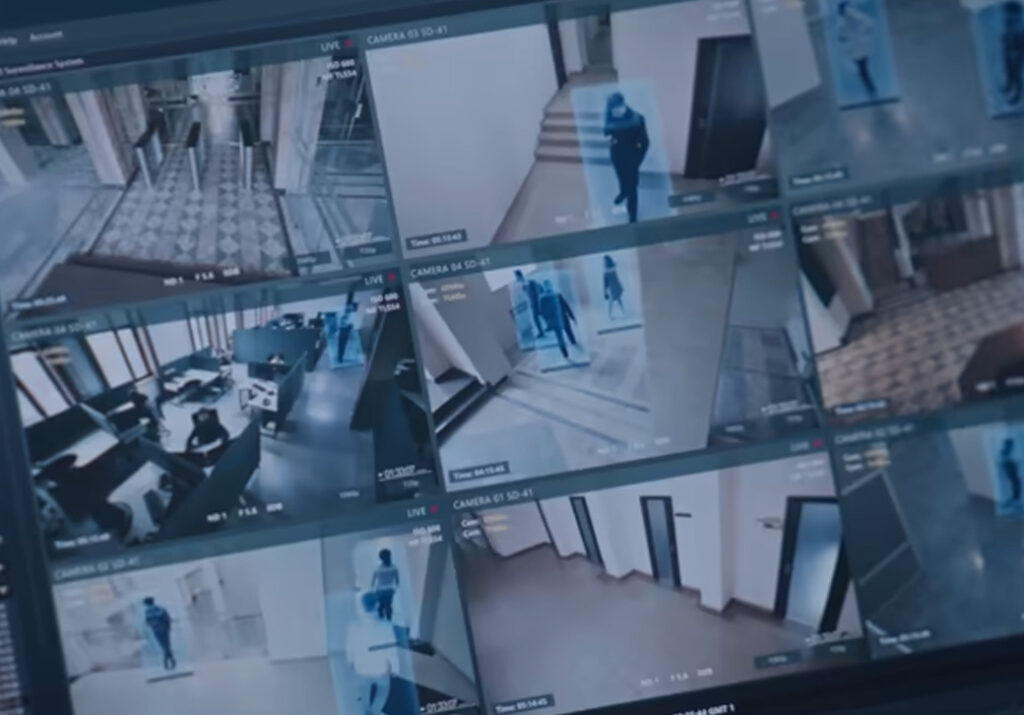
When it comes to protecting your home, business, or property, two surveillance technologies stand out: CCTV vs hidden cameras in South Africa. CCTV cameras are the visible backbone of most security systems, acting as both deterrent and monitoring tools. In contrast, hidden cameras capture footage discreetly, often blending into their environment, allowing for covert surveillance when necessary. South African home and business owners increasingly explore both technologies to tailor security solutions that meet their unique needs. This guide breaks down the differences, pros and cons, legal considerations, practical applications, installation tips, and best practices so you can make an informed buying decision.
Table of Contents
- What Is CCTV?
- What Are Hidden Cameras?
- CCTV vs Hidden Cameras: Key Differences
- Benefits of CCTV Cameras
- Benefits of Hidden Cameras
- Where Each Type Is Most Effective
- Cost Comparison: CCTV vs Hidden Cameras
- Installation and Maintenance
- Legal and Privacy Considerations in South Africa
- Integration: Combining CCTV with Hidden Cameras
- Best Use Cases for Home Security
- Best Use Cases for Business Surveillance
- Top Features to Look for When Buying
- How to Choose the Right System
- Conclusion
- Quick Takeaways
- FAQs
- Engagement Message
- References
1. What Is CCTV?
Closed-Circuit Television (CCTV) refers to security cameras that transmit video to specific, authorised monitors and recording devices rather than broadcasting it publicly. CCTV systems can include analog cameras connected to DVRs or modern IP cameras connected to network video recorders (NVRs). Their primary role is to monitor activity visibly, deterring crime and providing evidence where needed. CCTV has been widely deployed in public spaces, commercial environments, and increasingly in residential settings in South Africa. Wikipedia
2. What Are Hidden Cameras?
Hidden cameras, also known as covert cameras or spy cameras are designed to record without being easily noticed. They are typically small and disguised inside everyday objects like smoke detectors, phone chargers, clocks, pictures, or even PIR sensors and décor. They are ideal for discreet monitoring, for example, checking on a caregiver, monitoring a storage area, or observing theft without alerting suspects.
3. CCTV vs Hidden Cameras: Key Differences
When comparing CCTV vs hidden cameras and hidden cameras South Africa, the distinction lies mainly in visibility, purpose, and installation:
- Visibility: CCTV cameras are noticeable and act as a deterrent. Hidden cameras are invisible or disguised.
- Purpose: CCTV is meant for broad surveillance and deterrence; hidden cameras target discreet monitoring.
- Installation: CCTV often requires professional installation with wiring or network setup; hidden cameras are usually standalone, portable devices.
- Legal Weight: Visible CCTV may be easier to justify, while hidden cameras carry privacy concerns and must be used responsibly.
4. Benefits of CCTV Cameras
Crime Deterrence
Visible CCTV cameras discourage criminals because they know their activity could be recorded and used as evidence. Studies show that areas with dense CCTV coverage tend to experience lower crime rates as offenders seek easier targets.
Comprehensive Area Monitoring
CCTV systems provide wide coverage and can be configured to monitor large outdoor and indoor areas. Modern CCTV cameras often include PTZ (pan-tilt-zoom) functionality and night vision.
24/7 Surveillance and Remote Access
With IP and Wi-Fi features, CCTV cameras can stream video to mobile devices, allowing homeowners and business managers to monitor their premises in real time.
Evidence Collection
Footage from CCTV systems is often admissible in investigations and insurance claims because cameras are positioned visibly to capture clear footage.
5. Benefits of Hidden Cameras
Discreet Monitoring
Hidden cameras excel when you need to capture unfiltered behaviour without changing the actions of those being recorded. Because they’re not visible, they are excellent at capturing genuine interactions and activity.
Portable and Flexible
Hidden cameras are typically small, easy to move, and do not require complex installation. This makes them ideal for temporary surveillance or targeted observation.
Complement CCTV Footage
They work well in conjunction with CCTV by covering blind spots or areas where visible cameras might be tampered with.
Cost-Effective for Small Spaces
Hidden cameras often cost less per unit than large CCTV systems and are suitable for small homes, offices, or specific rooms without extensive wiring.
6. Where Each Type Is Most Effective
CCTV Best Uses
- Outdoor perimeter security
- Business premises
- Parking lots
- Warehouses
CCTV cameras provide clear coverage of large spaces and can be networked with multiple devices for comprehensive surveillance.
Hidden Cameras Best Uses
- Indoor room monitoring
- Specific activity capture (e.g., staff areas)
- Evidence gathering (e.g., suspected theft)
- Blind spot surveillance
Hidden cameras are useful when you require evidence without alerting the subject.
7. Cost Comparison: CCTV vs Hidden Cameras
Equipment Costs
Traditional CCTV cameras typically cost more than entry-level hidden cameras due to larger sensors and robust housing. Installation labour for CCTV systems also raises overall costs significantly.
Installation Costs
CCTV systems may require cables, professional setup, and weatherproof housing. Hidden cameras can often be set up quickly without expert help.
Storage and Maintenance
CCTV recording systems may use DVR/NVR units with larger storage; hidden cameras may use local memory cards or cloud options.
8. Installation and Maintenance
- CCTV cameras: Wired or PoE installations, professional mounting, periodic cleaning, and maintenance for weatherproofing.
- Hidden cameras: Simple setup, often plug-and-play, with occasional battery or memory maintenance.
9. Legal and Privacy Considerations in South Africa
South African privacy laws do not prohibit surveillance on your own property, but there are boundaries. Cameras should not monitor areas where people expect privacy (e.g., bedrooms, bathrooms) if they are not yours. Clear signage and ethical placement help ensure compliance.
Employers should inform employees if monitoring occurs unless there is a legitimate, documented reason that balances privacy with security. Hidden cameras carry higher legal risk if used without consent.
10. Integration: Combining CCTV with Hidden Cameras
The smartest security setups blend visible CCTV with hidden cameras. Use CCTV as a deterrent and broad monitor, and position hidden cameras at entry points, blind spots, or critical assets to capture discreet evidence when needed.
11. Best Use Cases for Home Security
- Entrance and exit areas
- Children’s playrooms
- Garages and outdoor spaces
- Storage or high-value item rooms
Balance visible deterrence with covert monitoring for comprehensive protection.
12. Best Use Cases for Business Surveillance
- Cash handling areas
- Warehouses and stockrooms
- Reception and customer service areas
- Back offices where theft occurs
A mix of CCTV and hidden cameras provides deterrence and investigative evidence.
13. Top Features to Look for When Buying
- Resolution: 1080p or higher
- Night Vision: Essential for low-light conditions
- Remote Access: Wi-Fi or IP camera connectivity
- Motion Detection: Automatic recording triggers
- Cloud or Local Storage: Flexible data management
- Mobile Alerts: Push notifications
14. How to Choose the Right System
Ask yourself:
- What is the primary goal, deterrence or evidence capture?
- Is continuous recording required?
- Do you need remote live access?
- What is your budget?
These considerations help determine whether you need a CCTV system, hidden cameras, or a combination.
Quick Takeaways
- CCTV vs hidden cameras in South Africa: both have unique benefits.
- CCTV acts as a deterrent and offers broad coverage.
- Hidden cameras provide discreet evidence capture.
- Legal compliance is essential, especially regarding privacy.
- Combining both systems delivers optimal security.
Conclusion
When evaluating CCTV vs hidden cameras in South Africa, the best choice often depends on your specific security goals. CCTV cameras are ideal for creating visible deterrence and monitoring larger areas, while hidden cameras capture discreet evidence and provide flexible placement. By understanding how each technology works, where it excels, and how to use it legally and ethically, you can build a security system that protects your property, assets, and peace of mind.
Ready to enhance your security? Explore our range of cameras for sale, including CCTV systems, Wi-Fi cameras, and covert hidden cameras designed for South African homes and businesses.
FAQs
1. Are hidden cameras legal in South Africa?
Hidden cameras can be legal if used on your property and not in private spaces where people expect privacy; always comply with local laws.
2. What is better: CCTV or hidden cameras?
Use CCTV for deterrence and broad coverage; hidden cameras for discreet evidence capture and targeted monitoring.
3. Can hidden cameras capture night footage?
Many modern hidden cameras have IR night vision for low-light conditions.
4. Should I inform employees about surveillance?
Yes, transparency is key to ethical CCTV or hidden camera use in workplaces.
5. Can CCTV footage be used in court?
Yes, visible CCTV footage is commonly accepted as evidence if legally obtained and stored.
Visit our Shop
If this guide helped you choose, please share it with others who want to improve their security.